


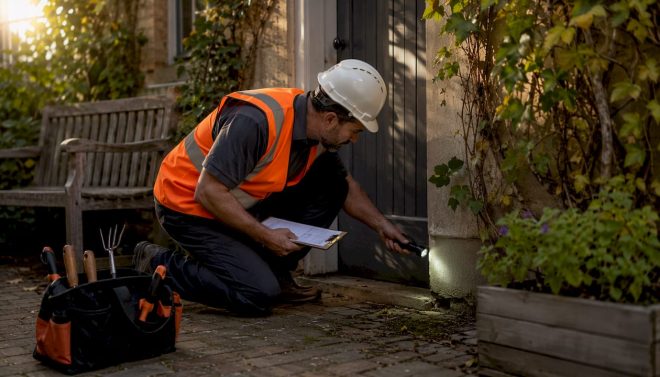
Effective commercial rodent prevention strategies rest on four pillars: seal every entry point with durable materials, eliminate food and shelter through rigorous sanitation, monitor continuously, and document everything for regulatory audits. The EPA endorses Integrated Pest Management (IPM) as the gold standard for commercial facilities, prioritizing exclusion and sanitation over reactive chemical treatments. Here is what that looks like in practice:
- Seal gaps around pipes, cables, and vents using 1/4-inch hardware cloth or noncorrosive metal flashing
- Remove food, standing water, and clutter that sustain rodent populations
- Deploy tamper-resistant bait stations and traps on interior and exterior perimeters
- Maintain detailed inspection and service records for health department audits
- Work with a licensed pest management professional operating under an IPM framework
- Start outside: reduce exterior pressure before addressing interior activity
- Train staff to report sightings and follow sanitation protocols
Table of Contents
- Where rodents get in and where they hide
- Commercial-grade tools and techniques that actually work
- Regulatory compliance and recordkeeping you cannot skip
- How advanced monitoring technology changes the equation
- How to choose the right rodent control partner
- IPM and sanitation: the foundation everything else depends on
- Practical tips that make a measurable difference
- Arsenal Pest Control protects your facility without locking you in
- Key Takeaways
Where rodents get in and where they hide
Rodents need a gap roughly the diameter of a dime to enter a building. That means most commercial properties have dozens of potential entry points that go unnoticed until an infestation is already established.
Common infiltration routes include:
- Gaps around utility pipes, conduit, and HVAC lines where they penetrate walls or foundations
- Below-grade foundation cracks and unsealed penetrations, which rats exploit by burrowing
- Poorly sealed roof vents, chimney flashings, and soffit gaps
- Loading dock doors and receiving areas, especially when seals wear out
- Vegetation touching the building exterior, which acts as a direct runway to upper floors
Harborage is just as important as entry. Rodents nest in wall voids, beneath equipment, inside insulation, and anywhere clutter accumulates near the building perimeter. Piles of cardboard, pallets stored against exterior walls, and overgrown landscaping within 18 inches of the building all create shelter. Waste storage areas and dumpsters positioned close to the building are magnets, particularly at night.
Commercial-grade tools and techniques that actually work
Reactive trapping after an infestation is expensive and slow. The better approach combines mechanical exclusion with durable materials and continuous monitoring so problems surface before they escalate.
- Tamper-resistant bait stations: Required under EPA guidelines when rodenticides are applied in areas accessible to children or nontarget animals. Stations must resist weather, prevent reach-in access, and be lockable.
- Mechanical traps: Snap traps placed along interior walls and behind equipment catch rodents without chemical risk. Check and reset daily.
- Intelligent Rodent Monitoring System (IRMS): Ecolab’s IRMS delivers continuous, real-time detection that flags activity the moment it occurs, enabling targeted response rather than blanket pesticide application.
- Exclusion materials: 1/4-inch hardware cloth and noncorrosive metal flashing are the only reliable options. Spray foam and wood fail quickly because rodents chew through both.
- Perimeter monitoring: Visual inspections combined with exterior bait stations map pressure zones before rodents breach the building envelope.
Pro Tip: Integrate exclusion work into your regular building maintenance schedule rather than treating it as a one-time project. A gap that opens around a new utility line in March can produce an infestation by May.
Regulatory compliance and recordkeeping you cannot skip
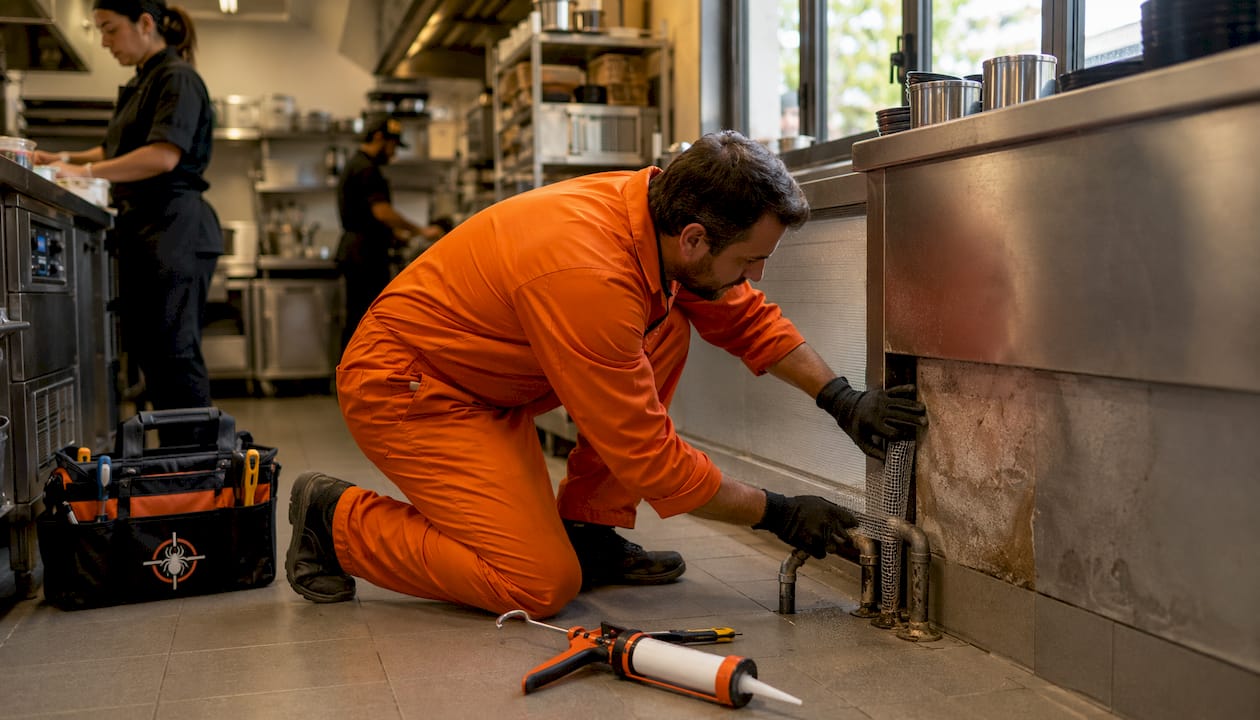
Health inspectors and regulatory auditors do not just look for rodents. They look for evidence that you have a documented, ongoing prevention program. Commercial property owners must maintain service records showing active contracts with licensed pest management professionals, and must eliminate standing water and uncontained waste that create infestation risk.
Building codes add structural requirements. The Denver IBC 2024 requires rodent-proofing with cement, mortar, or noncorrosive metals, extending below grade to block burrowing entry. Similar standards apply across North American jurisdictions.
Documentation of all inspections and control actions must be detailed enough to demonstrate due diligence. A log entry that reads “no activity observed” is insufficient. Record the locations inspected, conditions found, actions taken, and any corrective recommendations.
| Requirement | What It Means for Your Facility |
|---|---|
| Licensed contractor on file | Maintain a current service agreement with a certified pest management professional |
| Inspection records | Log every visit with date, findings, and actions taken |
| Structural rodent-proofing | Seal penetrations with cement, mortar, or noncorrosive metal per local building code |
| Waste management | Eliminate standing water and keep waste in sealed, covered containers |
| Pesticide application records | Document product, rate, location, and applicator credentials for every treatment |
How advanced monitoring technology changes the equation
The shift from scheduled pesticide applications to risk-based monitoring is the most significant evolution in commercial pest management over the past decade. Technology is what makes that shift practical at scale.
The Intelligent Rodent Monitoring System (IRMS), developed as part of Ecolab’s outside-in rodent control approach, uses sensors to detect rodent activity continuously rather than waiting for a technician’s next scheduled visit. When a station triggers, facility managers and pest control professionals receive an alert immediately. That speed matters: a single breeding pair of mice can produce dozens of offspring in weeks.
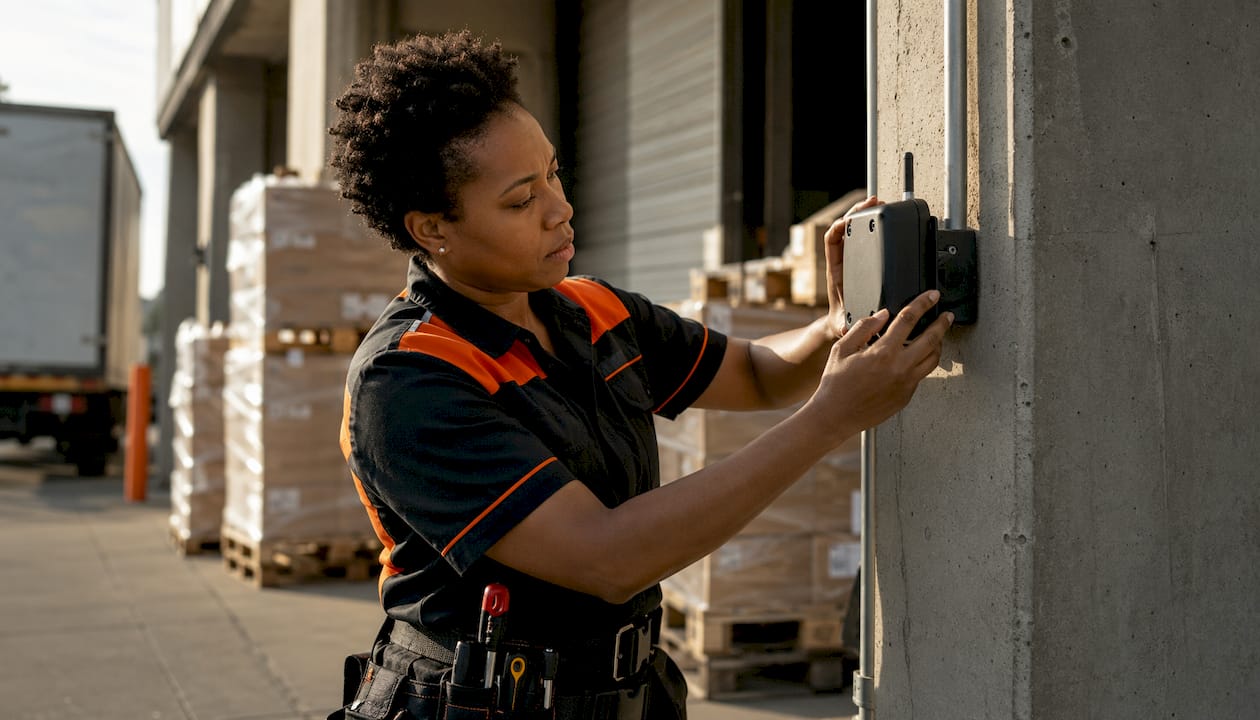
Beyond speed, the data analytics built into systems like IRMS let you track infestation trends over time, verify that control measures are working, and demonstrate to auditors that your program is active and evidence-based. Reduced pesticide use is a direct byproduct because interventions target confirmed activity rather than covering the whole facility on a calendar schedule.
How to choose the right rodent control partner
Licensing is the floor, not the ceiling. Every commercial pest control provider must hold state certification, but the difference between a compliant vendor and a genuinely effective partner shows up in how they work, not just what credentials they carry.
Look for these when evaluating providers:
- IPM commitment: Do they lead with exclusion and sanitation, or do they default to chemical treatments? A provider following IPM minimum criteria will document action thresholds and select the lowest-risk control method that works.
- Documentation capability: Can they produce service records, pesticide application logs, and corrective action reports in a format your auditors will accept?
- Commercial experience: Warehouse, food service, and healthcare facilities each have distinct pressure points. A provider who works primarily in residential settings may miss them.
- Staff coordination: The best technical work fails if your employees are not briefed on sanitation expectations. A good partner trains your team, not just treats your building.
- Customized service plans: Cookie-cutter monthly visits rarely match the actual risk profile of a commercial property. Frequency and focus should reflect your building type, occupancy, and seasonal patterns. For a broader look at pest control collaboration tips, regional providers often publish useful guidance on what to expect from a professional service relationship.
IPM and sanitation: the foundation everything else depends on
IPM is not a product or a service. It is a decision-making framework that the EPA formally endorses for commercial facilities, built around preventing conditions that allow pests to survive rather than reacting after they establish. The cycle runs: inspect, identify, monitor, select the lowest-risk control method, evaluate results, repeat.
Sanitation is where most commercial rodent programs succeed or fail. Cooperation between building management and occupants is the biggest practical challenge in sustained rodent prevention. A technician can seal every gap in the building envelope, but if employees leave food debris on the floor or prop loading dock doors open, the program degrades. Occupant education on food storage, waste removal, and how to report sightings is not optional.
Arsenal Pest Control builds its commercial programs around these same principles: safe, environmentally responsible treatments, no long-term contracts, and a focus on root causes rather than repeat chemical applications.
Practical tips that make a measurable difference
- Keep dumpsters at a sufficient distance from the building and use lids that seal completely
- Trim vegetation to maintain an 18-inch clearance around the building perimeter
- Store dry goods in sealed, rodent-proof containers, never on the floor
- Inspect incoming shipments at loading docks before they enter the building
- Schedule interior inspections twice yearly, in late summer and early spring, when rodents are most likely to seek shelter indoors
- Repair leaky faucets and eliminate standing water, which rodents need as much as food
- Review your pest control treatment reports after every service visit so corrective actions do not slip through the cracks
Arsenal Pest Control protects your facility without locking you in
Commercial rodent prevention requires consistent professional attention, not a one-time treatment. Arsenal Pest Control delivers licensed, IPM-based commercial pest control services across Queen Creek, Gilbert, Chandler, Mesa, and surrounding Arizona communities, with no long-term contracts required. You get a customized plan built around your facility’s actual risk profile, full documentation for regulatory audits, and environmentally responsible treatments that protect your staff and customers. Contact Arsenal Pest Control to schedule a commercial inspection and get a program that fits your building, your operations, and your compliance obligations.
Key Takeaways
Effective commercial rodent prevention requires exclusion, sanitation, monitoring, and documentation working together under an IPM framework endorsed by the EPA.
| Point | Details |
|---|---|
| Exclusion is the first priority | Seal all gaps with 1/4-inch hardware cloth or noncorrosive metal; spray foam and wood fail. |
| Sanitation drives outcomes | Occupant cooperation on food storage and waste removal determines whether exclusion holds. |
| Documentation is non-negotiable | Detailed inspection and service records are required for regulatory audits in most North American jurisdictions. |
| Advanced monitoring reduces pesticide use | Systems like IRMS provide real-time alerts that enable targeted interventions instead of blanket treatments. |
| Arsenal Pest Control | Offers licensed, IPM-based commercial rodent control in Arizona with no long-term contracts and full audit documentation. |
Recommended
- Commercial Property Pest Exclusion: A Facility Manager’s Guide – Arsenal Pest Control
- Commercial Scorpion Treatment: A Facility Manager’s Guide – Arsenal Pest Control
- Pest-Proofing a Commercial Kitchen: 2026 Guide – Arsenal Pest Control
- Seasonal Pest Control for Commercial Property: 2026 Guide – Arsenal Pest Control
