

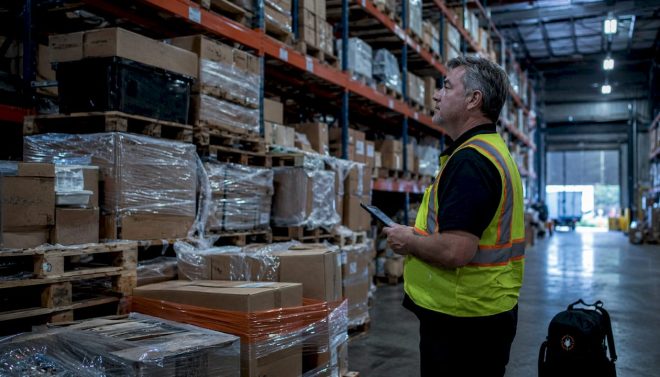
Why pests damage commercial inventory and what’s at stake
Pests damage commercial inventory through three core mechanisms: direct consumption of goods, contamination through waste and pathogens, and structural destruction of packaging, wiring, and building materials. The result is product loss, costly recalls, failed regulatory audits, and operational downtime that can halt a facility for days.
Here is what that looks like in practice:
- Consumption: Rodents and stored product insects eat through raw materials and finished goods, rendering entire batches unsellable.
- Contamination: Pest feces, urine, and shed skins introduce pathogens that compromise product integrity and trigger recalls and regulatory consequences.
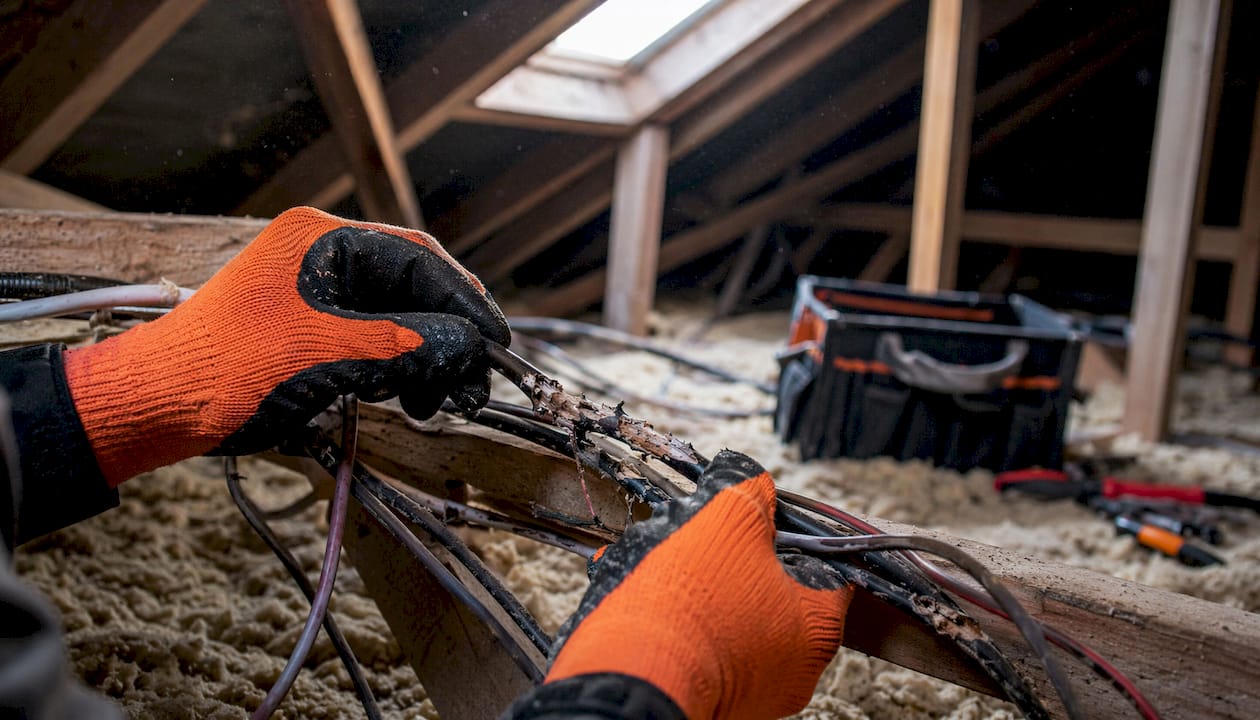
- Structural damage: Rodents gnaw through packaging, pallets, and electrical wiring, creating fire hazards and equipment failures.
- Regulatory risk: A single failed inspection can result in facility shutdowns, fines, and lost contracts with major buyers.
- Reputational harm: One contamination incident, made public, can cost a business far more than the damaged inventory itself.
Understanding these mechanisms is the first step toward protecting your facility before a minor problem becomes a facility-wide crisis.
Which pests threaten your inventory and how they cause damage
Not all pests attack inventory the same way. Knowing which species you are dealing with tells you exactly where to look and what kind of loss to expect.
Rodents (Norway rats and house mice) are among the most destructive. They gnaw constantly to wear down their teeth, which means packaging, wooden pallets, and even electrical wiring are all fair targets. Their urine and droppings contaminate anything they contact, and they reproduce fast enough to turn a small entry point into a full infestation within weeks.
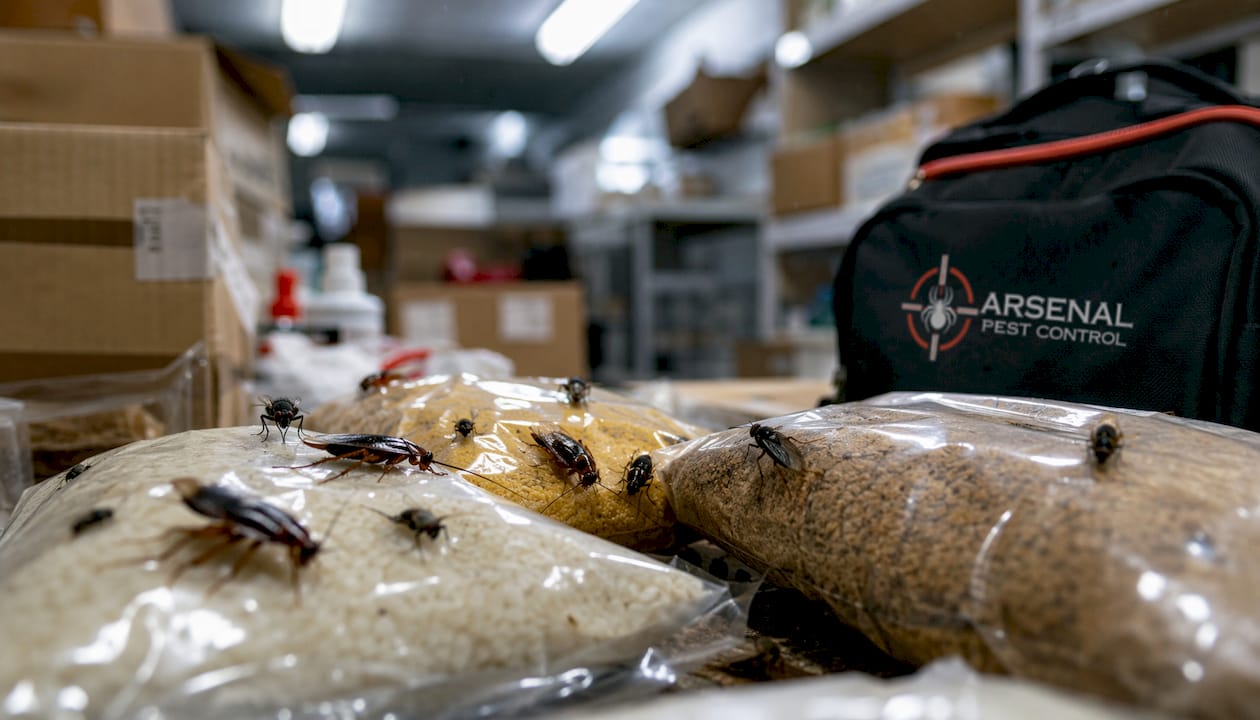
Stored product pests are the ones most businesses underestimate. Beetles like the rice weevil (Sitophilus oryzae) and warehouse beetle (Trogoderma variabile), along with moths like the Indianmeal moth (Plodia interpunctella), penetrate packaging and contaminate food products from the inside out. They can breed continuously across multiple generations annually as long as a food source is available.
Cockroaches and flies function primarily as contamination vectors. Cockroaches squeeze through gaps as small as a quarter-inch and contaminate every surface they cross. Flies are drawn to organic waste and standing water, and their populations scale quickly in warm storage environments.
Birds (sparrows, pigeons, starlings) roost in rafters and ventilation shafts. Their droppings are corrosive to roofing and machinery, and dried bird waste can transmit histoplasmosis when disturbed. Bird droppings can also introduce listeria into a facility’s water supply.
| Pest | Primary damage type | Key risk |
|---|---|---|
| Rats and mice | Gnawing, contamination | Fire hazard from chewed wiring; pathogen spread |
| Stored product beetles | Consumption, packaging breach | Product loss, infestation spread via inventory movement |
| Indianmeal moths | Consumption, webbing | Contaminated food, difficult-to-trace infestation source |
| Cockroaches | Contamination | Pathogen transfer across all contact surfaces |
| Flies | Contamination | Rapid population growth near organic waste |
| Birds | Physical damage, pathogen spread | Corrosive droppings, histoplasmosis, listeria risk |
How pest infestations put your entire operation at risk
The financial and operational fallout from a pest infestation extends well beyond the cost of replacing damaged stock. Small infestations can rapidly escalate, causing major impacts on facility operations and profitability before management even identifies the source.
The real cost of infestation: Pest activity can trigger product recalls, shipment rejections, and lost supplier contracts. In food and pharmaceutical facilities, a single contamination event can result in regulatory action that shuts down operations entirely.
Health and safety exposure is another layer most property managers overlook. Cockroaches, flies, rodents, and birds all carry and transmit pathogens. Beyond the immediate contamination risk, pest-related allergens from cockroach feces and shed skins are a documented workplace health concern.
Structural damage compounds the financial hit. Rodents gnaw on electrical wiring, including wiring made with vegetable-based plastics, creating fire risks and triggering costly equipment repairs. Bird droppings corrode roofing materials and machinery over time. These are not cosmetic issues; they are the kind of failures that force unplanned downtime.
Reputation damage is the hardest cost to quantify. A contamination incident that reaches a buyer, a regulator, or the public can unravel supplier relationships that took years to build. Pest management is, at its core, a brand protection strategy.
How to protect inventory with Integrated Pest Management
Integrated Pest Management (IPM) shifts pest control from reactive chemical spraying to proactive prevention. The EPA-backed framework focuses on exclusion, sanitation, inventory rotation, and targeted treatments only when monitoring confirms a threshold has been crossed.
Practical IPM for commercial storage breaks down into four areas:
- Sanitation: Regular cleaning removes the food debris, moisture, and clutter that attract and shelter pests. Pay particular attention to loading docks, floor drains, and areas behind shelving where organic material accumulates.
- Structural exclusion: Seal gaps around pipes, doors, and loading dock seals. Install door sweeps and screen vents. A pest cannot damage inventory it cannot reach, and commercial pest exclusion starts with denying entry.
- Inventory rotation (FIFO): First-in, First-out rotation keeps older stock moving and prevents the undisturbed storage conditions that stored product pests thrive in. Inspect incoming shipments before they enter the facility.
- Monitoring and containment: Use pheromone traps, glue boards, and regular inspection schedules to catch activity early. The “3 Cs” framework (Control, Contain, Clean) limits a
from spreading facility-wide.
Pro Tip: Early intervention through IPM is dramatically cheaper than reactive treatment. Catching a stored product pest introduction at the receiving dock costs a fraction of treating a facility-wide infestation discovered three months later.
Moisture control belongs in this conversation too. Damp storage conditions accelerate pest activity, and commercial facilities with humidity problems face compounded risk. Addressing moisture damage in commercial walls can eliminate harborage conditions that make exclusion efforts far less effective.
How to spot a pest infestation before it spreads
Early detection is where most businesses lose ground. By the time pests are visible during normal operations, the infestation is usually well established. Train your team to look for these indicators during every routine walkthrough:
- Droppings and urine stains: Rodent droppings along walls and near pallets are an immediate red flag. Cockroach fecal spotting appears as dark smears near harborage areas.
- Gnaw marks and chew holes: Look for damage on packaging corners, cardboard boxes, and wooden pallets. Fresh gnaw marks are lighter in color; older ones darken over time.
- Webbing and frass: Indianmeal moth larvae produce visible silk webbing across infested food products. Frass (insect excrement) near stored goods signals active feeding.
- Unusual odors: A musty or ammonia-like smell in a storage area often indicates a rodent presence. Some stored product beetles produce a distinctive, unpleasant odor in infested materials.
- Live insects or rodents: Seeing a pest during daylight hours typically means the population is large enough to push individuals out of their harborage.
- Entry point evidence: Grease marks along walls, gnawed gaps near pipes, and disturbed insulation near entry points all indicate active use by rodents.
Conduct formal inspections on a scheduled basis, not just when something looks wrong. A written inspection checklist, completed weekly by trained staff, creates a paper trail that also satisfies many regulatory audit requirements.
Expert insights on pest damage that most businesses miss
The most common misconception property managers hold is that pests are a nuisance problem rather than an operational one. Pests act as operational disruptors, pulling staff away from core tasks to manage contamination crises and regulatory fallout. That diversion of labor has a real cost that never appears on a pest control invoice.
Two specific behaviors catch facilities off guard repeatedly:
- Internal feeding pests that bypass packaging: Stored product pests like the Indianmeal moth do not just sit on the surface of goods. Larvae pupate in hidden wall crevices far from the food source, which means removing the infested product does not eliminate the infestation. Pupae in wall voids continue the cycle.
- Infestations spread by internal logistics: Contaminated incoming shipments introduce pests at the receiving dock, and internal freight movement then distributes them facility-wide. A pest introduced in one corner of a warehouse can reach every zone within days if inventory is moved without inspection.
Advanced facilities go beyond standard IPM by installing dedicated quarantine zones for incoming shipments, using pheromone-based monitoring systems calibrated to specific stored product pest species, and requiring third-party pest audit documentation from suppliers. These are not luxury measures; they are the practices that prevent a supplier’s problem from becoming yours.
Rodent gnawing on vegetable-based plastic wiring is a growing concern in North American facilities. The fire risk is real, and the repair costs extend well beyond the wiring itself to include equipment downtime and potential insurance complications.
How storage environment conditions drive pest activity
Temperature, humidity, and facility layout are not passive background factors. They actively determine which pests can establish themselves and how fast they multiply.
Warm, humid storage conditions are ideal for stored product beetles and moths. Most species in this group breed faster and complete their life cycles in fewer days when temperatures rise above 70°F and relative humidity stays above 60%. A warehouse that runs warm in summer without adequate climate control is essentially an incubator.
High ceilings, multiple loading dock entry points, and consistent warmth create conditions where pest populations grow undetected for extended periods. Birds exploit open dock doors and ventilation gaps. Cockroaches thrive in the dark, cluttered spaces behind shelving and under equipment. Poor drainage and standing water near loading areas accelerate fly populations.
Facility layout decisions also matter. Storing inventory directly on the floor, or against exterior walls, gives rodents and insects both harborage and a food source in the same location. Elevating pallets on racks and maintaining a clear perimeter zone along walls removes that advantage. Seasonal pest pressure shifts throughout the year, so facilities in warmer climates like Arizona face year-round activity rather than the seasonal lulls that northern facilities experience.
What pest damage actually costs a commercial operation
The financial impact of inventory pest damage runs across several categories, and most businesses only account for the most visible one: the cost of destroyed product.
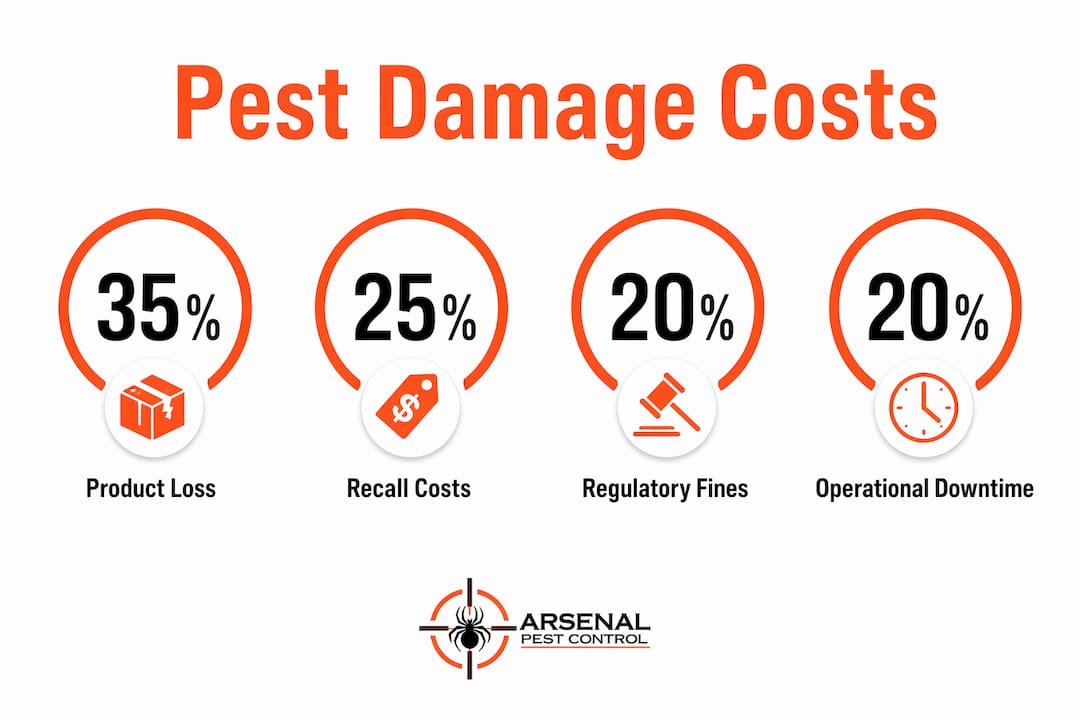
Direct product loss is the starting point. Goods consumed, contaminated, or rendered unsellable by pest activity must be written off. In food processing and pharmaceutical storage, even suspected contamination requires disposal of entire batches, not just the visibly affected units.
Recall costs multiply the direct loss. A product recall involves logistics, customer notification, regulatory reporting, and potential legal liability. The operational disruption alone can exceed the value of the recalled inventory.
Regulatory penalties add another layer. Facilities subject to FDA, USDA, or state health department oversight face fines, mandatory remediation costs, and in serious cases, facility closure. Failing a third-party food safety audit (such as SQF or BRC certification) can terminate supplier agreements with major retailers.
Downtime is the cost that surprises most property managers. In supply chain operations, a facility that cannot ship means products are not moving and revenue stops. Pest-related downtime compounds quickly when remediation requires clearing and treating large storage areas.
Repair costs for structural damage, particularly electrical systems compromised by rodent gnawing, add to the total. These repairs often require licensed contractors and may trigger insurance reviews. Taken together, the full cost of a pest infestation almost always exceeds what a proactive commercial pest management program would have cost over several years.
Real-world scenarios where pest damage derailed operations
These scenarios reflect documented patterns in commercial pest management, not isolated incidents.
Food distribution warehouse: A stored product beetle introduction arrived in a shipment of dry goods. Because incoming pallets were not quarantined or inspected, the infestation spread through inventory movement to three separate storage zones within six weeks. By the time webbing and frass were noticed during a routine count, the facility faced a full fumigation, product disposal across multiple SKUs, and a failed third-party audit that suspended a key retail contract.
Restaurant supply operation: Rodents entered through an unsealed gap at a loading dock. The initial sign was gnaw marks on cardboard packaging, dismissed as shipping damage. Three months later, a health inspector found rodent droppings in a dry storage area. The facility received a critical violation, required immediate remediation, and lost its food handler certification temporarily.
Pharmaceutical storage facility: Bird nesting in a ventilation shaft went undetected for a season. Dried droppings contaminated an HVAC system, introducing potential pathogen risk into a climate-controlled storage area. The remediation required a specialist contractor, HVAC cleaning, and a full regulatory disclosure process.
Each scenario shares a common thread: the infestation was detectable earlier. The cost of early intervention in all three cases would have been a fraction of the remediation expense.
How staff training reduces pest damage risk
Your team is your first line of detection, and most pest infestations are spotted by employees before a scheduled inspection catches them. The gap is that most employees do not know what they are looking at.
Effective training covers three areas. First, recognition: staff should be able to identify the common signs of pest activity (droppings, gnaw marks, webbing, unusual odors) and know exactly who to report them to. Second, behavior: loading dock discipline, proper food storage practices, and keeping break rooms clean are employee behaviors that directly affect pest pressure. Third, reporting: a clear, low-friction reporting process means early sightings get escalated instead of ignored.
Integrate pest awareness into onboarding for any role that involves receiving, storage, or facility maintenance. Quarterly refreshers keep the topic current and give management a chance to share any new findings from monitoring data. Document all training sessions; that documentation supports regulatory compliance and demonstrates due diligence during audits.
Pair staff training with a written pest management plan that assigns specific responsibilities. When everyone knows their role, early detection becomes a system rather than a matter of luck.
What regulations require from commercial facilities on pest management
Regulatory requirements for pest management vary by industry and jurisdiction, but the direction is consistent: documented, proactive pest control is the standard, not reactive treatment after a problem appears.
Food facilities operating under FDA oversight must comply with the Food Safety Modernization Act (FSMA), which requires written pest control procedures, monitoring records, and corrective action documentation as part of a facility’s food safety plan. A pest infestation without documented management steps is a FSMA violation, not just a hygiene problem.
USDA-regulated facilities face similar requirements, with additional scrutiny on pest exclusion in areas where food products are processed or stored. State health departments layer additional requirements on top of federal standards, particularly for food service and pharmaceutical operations.
Third-party certification programs like SQF (Safe Quality Food) and BRC Global Standards require pest management to be handled by a licensed provider with documented service records, trend analysis from monitoring data, and corrective action reports. Losing certification under these programs typically means losing the retail or foodservice contracts that require it.
For commercial property managers outside the food and pharmaceutical sectors, local building codes and occupational health regulations still apply. A rodent infestation that creates a fire hazard through chewed wiring, or a bird infestation that creates a slip hazard from droppings, carries liability exposure regardless of industry. Commercial pest control in regulated environments is not optional; it is a compliance requirement with direct financial consequences for non-compliance.
Protect your inventory with Arsenal Pest Control

Inventory damage from pests is preventable when you have the right program in place before an infestation takes hold. Arsenal Pest Control works with commercial property managers and business owners across Queen Creek, Gilbert, Chandler, Mesa, and surrounding Arizona communities to build pest management programs that protect inventory, satisfy regulatory requirements, and keep operations running.
No long-term contracts. Environmentally responsible treatments. A team that understands the operational stakes for commercial facilities.
Explore commercial pest management services from Arsenal Pest Control, or contact the team directly to schedule a facility assessment.
Key Takeaways
Pests damage commercial inventory through consumption, contamination, and structural destruction, and the full financial cost of an infestation almost always exceeds the cost of a proactive prevention program.
| Point | Details |
|---|---|
| Three damage mechanisms | Pests consume goods, contaminate products with pathogens, and destroy packaging and infrastructure. |
| IPM is the standard | Integrated Pest Management uses exclusion, sanitation, FIFO rotation, and monitoring to prevent infestations proactively. |
| Early detection is critical | Droppings, gnaw marks, webbing, and unusual odors are detectable before an infestation becomes facility-wide. |
| Regulatory exposure is real | FSMA, USDA rules, and third-party certifications like SQF require documented pest management or risk facility shutdown. |
| Staff training closes the gap | Employees who recognize pest signs and report them early are the most cost-effective detection tool a facility has. |
Recommended
- Pest-Proofing a Commercial Kitchen: 2026 Guide – Arsenal Pest Control
- Seasonal Pest Control for Commercial Property: 2026 Guide – Arsenal Pest Control
- Commercial Property Pest Exclusion: A Facility Manager’s Guide – Arsenal Pest Control
- Pet Safe Pest Treatments for Your Home: 2026 Guide – Arsenal Pest Control
