

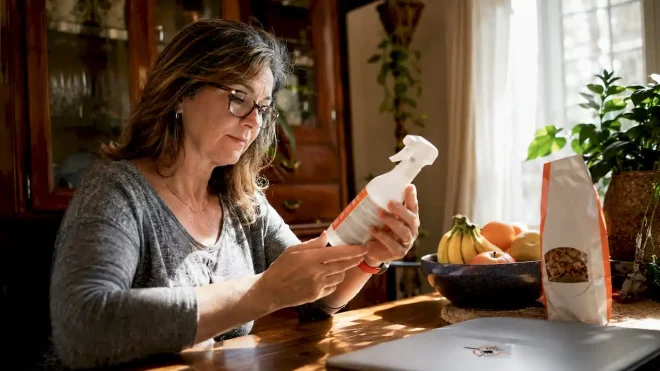
Pet safe pest treatments for homes use integrated methods that control pests effectively without exposing pets to harmful chemicals. The industry standard for this approach is Integrated Pest Management, or IPM. IPM uses exclusion, sanitation, and monitoring rather than calendar-based spraying, which means your pets face far less chemical exposure than with traditional broad-spray methods. The EPA’s current guidance frames your home as a closed ecosystem: deny pests food, water, and access first, and you reduce the need for pesticides significantly. Arsenal Pest Control applies exactly this philosophy across Arizona communities, from Queen Creek to Chandler and beyond.
What are the essential components of pet safe pest control?
IPM works because it attacks pest problems at the source rather than masking them with chemicals. The four core components are structural exclusion, sanitation, monitoring, and targeted chemical use only as a last resort.
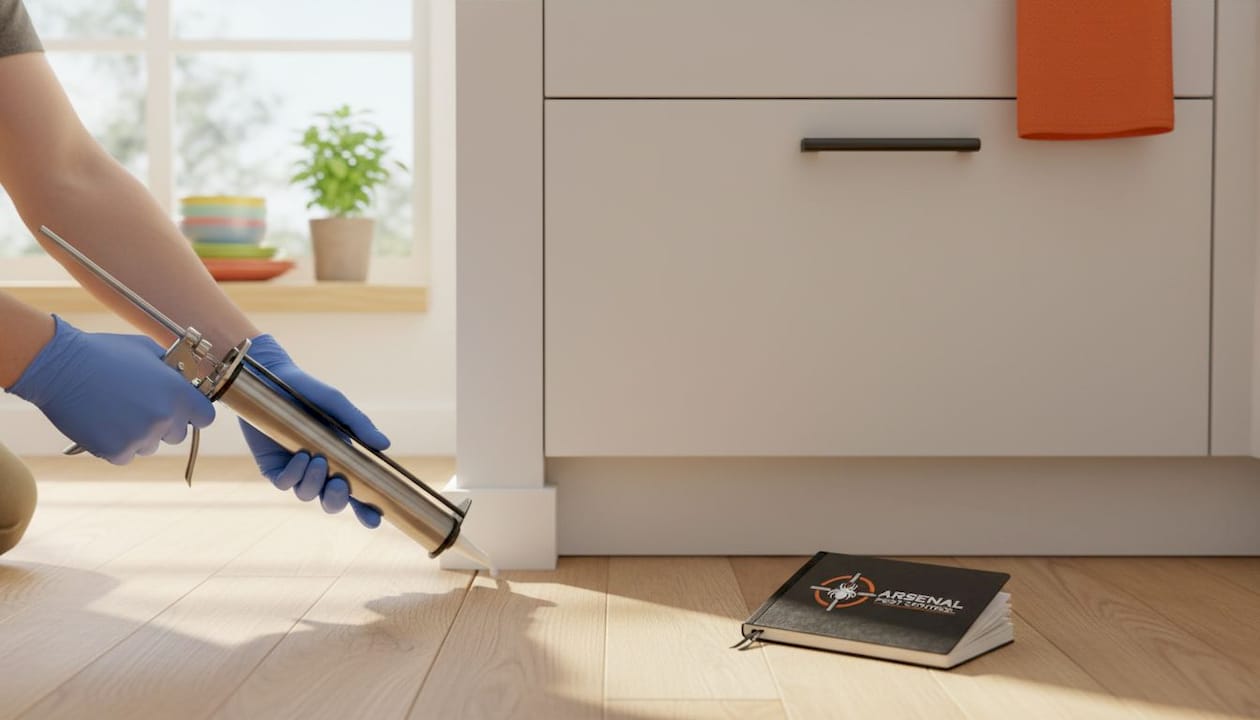
Structural exclusion is the most underrated step. Mechanical exclusion such as caulking gaps, installing door sweeps, and sealing pipe penetrations is the most effective way to avoid chemical exposure altogether. Pests cannot infest a home they cannot enter.
Sanitation removes the conditions that attract pests in the first place. Pet food left in open bowls overnight is one of the most common ant and roach attractants in Arizona homes. Store dry pet food in sealed containers, clean water bowls daily, and sweep up crumbs around feeding stations.
Monitoring traps let you detect pest activity without releasing any chemicals. Sticky traps placed along baseboards or inside cabinet corners tell you exactly where pests travel. That information lets a technician target treatments precisely instead of spraying entire rooms.
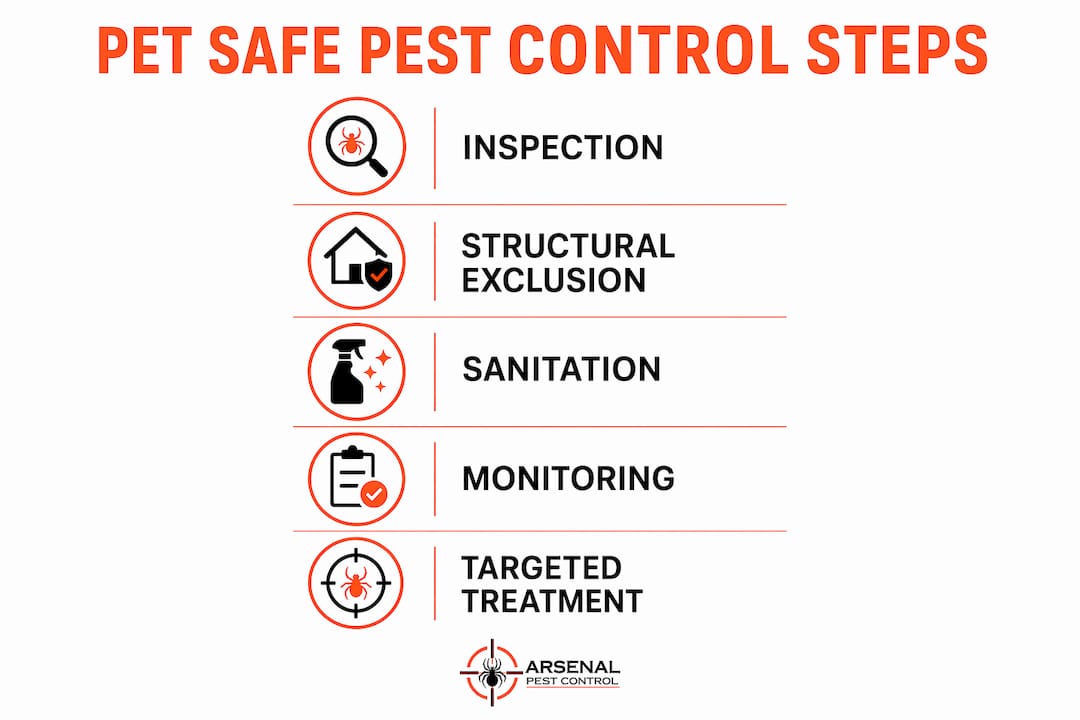
Targeted chemical use means applying pesticides only where pests are confirmed, not as a precaution. Professionals place gels or baits in cracks or behind heavy appliances that pets cannot reach. This keeps effective chemistry in the pest zone and out of your pet’s environment.
Key non-chemical steps to prioritize:
- Seal every gap wider than a quarter inch around pipes, vents, and baseboards
- Fix leaky faucets and eliminate standing water, including pet water dishes left outdoors overnight
- Keep trash cans sealed and compost bins away from the home’s perimeter
- Use tamper-resistant bait stations for rodents rather than open snap traps accessible to curious dogs and cats
- Replace weatherstripping on doors and windows annually
Pro Tip: Place sticky monitoring traps in a grid pattern across your home for two weeks before any treatment. The trap locations with the most activity tell you exactly where to focus, which cuts the amount of product needed by a significant margin.
How to choose and apply pet friendly pest treatments safely
Choosing the right product starts with reading the label. The EPA requires all registered pesticides to carry specific reentry intervals and pet safety warnings. Follow those intervals without exception.
Here is a step-by-step approach to selecting and applying treatments safely:
- Check the active ingredient first. Permethrin and many essential oils are highly toxic to cats, which lack the liver enzymes needed to break them down. Any product containing permethrin must stay completely away from cats, including treated surfaces they might walk on and groom from.
- Verify “natural” claims carefully. Essential oil-based products carry a reputation for safety, but cats cannot metabolize tea tree or citrus oils well. A product labeled “natural” is not automatically safe for pets.
- Choose the right product form. Bait stations, gels, and crack-and-crevice spot treatments expose pets to far less product than broadcast sprays or dusts. Sprays disperse widely and settle on surfaces pets contact constantly, including floors and furniture.
- Keep pets out of treated areas. Indoor exposure risk drops significantly once residues are dry, typically 30 minutes to 2 hours after application. Always confirm the label’s reentry time and add a buffer if you have cats or small dogs that spend time on treated floors.
- Store and dispose of products correctly. Keep all pesticides in their original containers, locked in a cabinet above pet height. Never pour leftover product down a drain. Check your local Arizona municipality for hazardous waste disposal options.
- Consider insect growth regulators (IGRs). IGRs disrupt the pest life cycle with minimal risk to pets. They prevent flea larvae from developing into adults and are a standard tool in pet-safe flea programs.
Pro Tip: Ask your veterinarian before using any flea or tick product, even over-the-counter options. Some topical flea treatments safe for dogs are lethal to cats that groom them.
What pests are common in pet homes and how do you treat them safely?
Homes with pets attract a specific set of pests. Pets bring in fleas and ticks, their food attracts ants and roaches, and their outdoor activity can stir up rodent activity near the home’s perimeter.
Fleas and ticks require a coordinated approach. Treat the pet, the home, and the yard simultaneously. IGRs handle larvae indoors while veterinarian-approved topical treatments address the animal directly. Skipping any one of these three fronts means the infestation rebounds within weeks.
Ants and cockroaches respond well to gel baits placed in cracks and crevices. Gel baits are contained, targeted, and inaccessible to pets when placed correctly. Broadcast spraying for ants is rarely necessary and exposes pets to far more chemical than a targeted bait station does.
Rodents present the highest risk to pets from a treatment standpoint. Rodenticides are acutely toxic to dogs and cats. The only safe approach is tamper-resistant bait stations that physically block pet access while allowing rodents to enter. Snap traps placed in wall voids or under appliances are a non-toxic alternative when positioned where pets cannot reach.
Here is a quick reference for pest-specific pet-safe strategies:
| Pest | Preferred pet-safe method | Key caution |
|---|---|---|
| Fleas | IGRs indoors, vet-approved topicals on pets | Coordinate all three treatment zones |
| Ants | Gel baits in cracks and crevices | Avoid broadcast sprays on floors |
| Cockroaches | Bait stations behind appliances | Keep stations sealed and inaccessible |
| Rodents | Tamper-resistant bait stations or snap traps in wall voids | Never use open rodenticide bait |
| Ticks | Yard perimeter treatment, vet-approved pet products | Check pets after outdoor time |
Habitat modification reduces pressure from all of these pests. Trim vegetation away from the home’s foundation, remove leaf litter where ticks shelter, and eliminate standing water that mosquitoes breed in. These steps cost nothing and reduce the need for any chemical treatment.
Common mistakes that undermine pet safe pest treatments
The biggest mistake pet owners make is assuming “natural” means safe. Misuse of essential oil products can increase risk to pets, especially cats, and reduce pest control effectiveness when applied incorrectly. A lavender spray that smells pleasant to you can trigger neurological symptoms in a cat.
The second most common error is letting pets back into treated areas too soon. Even low-toxicity products need time to dry and bind to surfaces before they are safe for contact. Rushing reentry undoes the safety precautions built into the product’s design.
Overreliance on broadcast sprays is the single biggest mistake we see in DIY pest control for pet homes. Spraying an entire room treats surfaces your pet walks on, lies on, and grooms from. Targeted crack-and-crevice application puts the product where pests live, not where your pet does. That distinction is the difference between a safe treatment and a risky one.
Misplaced traps and baits are another frequent problem. A snap trap left in an open hallway or a bait station with a broken lid creates direct access for a curious dog or cat. Check all traps and stations weekly and replace any that show damage.
Ongoing sanitation matters as much after treatment as before. Pest pressure returns quickly when food sources and entry points remain available. Schedule a monthly walkthrough of your home’s perimeter to check for new gaps, moisture issues, or debris buildup. When pest activity persists despite your best efforts, professional pest control services with documented pet-safe protocols are the right call.
Key Takeaways
Pet safe pest control requires IPM methods, targeted product placement, and strict reentry timing to protect pets while eliminating pests effectively.
| Point | Details |
|---|---|
| IPM is the foundation | Use exclusion, sanitation, and monitoring before reaching for any pesticide. |
| Permethrin is dangerous to cats | Avoid all permethrin-based products in any home with cats, including treated surfaces. |
| Reentry timing matters | Keep pets out of treated areas until residues are fully dry, typically 30 minutes to 2 hours. |
| Targeted application beats broadcast sprays | Gels and bait stations in cracks reduce pet exposure far more than room-wide spraying. |
| Natural does not mean safe | Tea tree and citrus oils are toxic to cats; always verify ingredients before use. |
What we have learned from years of treating pet homes in Arizona
Pet owners often come to us after a frustrating cycle: they try a store-bought spray, worry about their dog or cat, wait for it to dry, and then watch the ants come back two weeks later. The product was not the problem. The application method was.
What we have found, working across Queen Creek, Gilbert, Mesa, and the surrounding communities, is that pet safety and pest control effectiveness are not in conflict. They actually reinforce each other. Targeted treatments that protect pets are also more efficient because they put the product exactly where pests are, not spread thin across an entire room.
The one thing we push hard on is the partnership between pest control and veterinary care, especially for flea and tick programs. A technician can treat your yard and home perfectly, but if the pet’s topical treatment is wrong for their species or weight, the infestation continues. That coordination piece is often missing from DIY approaches.
Prevention is always the most cost-effective strategy. A home that denies pests food, water, and entry points rarely needs intensive chemical treatment. We encourage every pet owner we work with to think of pest control as an ongoing habit, not a one-time event. The homes that stay pest-free longest are the ones where the owner stays engaged between professional visits.
— Arsenal Pest Control
Arsenal Pest Control’s approach to pet-safe pest management
Pet owners in Arizona deserve pest control that works without putting their animals at risk. Arsenal Pest Control builds every treatment plan around IPM principles, using eco-friendly pest control methods that prioritize exclusion and targeted application over broad chemical use.

Arsenal Pest Control serves Queen Creek, San Tan Valley, Florence, Gilbert, Chandler, Mesa, Apache Junction, and surrounding areas with no long-term contracts and a genuine commitment to your pet’s safety. Whether you need flea control, rodent management, scorpion treatment, or a full home pest inspection, the team applies EPA-aligned protocols designed for homes with animals. Explore Arsenal Pest Control’s full range of pet-safe pest services and request a quote today.
FAQ
What is Integrated Pest Management and why is it pet safe?
Integrated Pest Management (IPM) is a pest control strategy that uses exclusion, sanitation, and monitoring before applying any pesticide. It is considered pet safe because it minimizes chemical use and targets treatments only where pests are confirmed.
Is permethrin safe to use around cats?
Permethrin is highly toxic to cats and must never be used in any home where cats live. Cats lack the liver enzymes to break down permethrin, and even indirect contact with treated surfaces can cause serious harm.
How long should pets stay out of a treated area?
Pets should stay out of treated areas until all surfaces are fully dry, which typically takes 30 minutes to 2 hours. Always check the product label for the specific reentry interval and follow it exactly.
Are natural or essential oil pest products safe for pets?
Not automatically. Cats cannot metabolize tea tree oil, citrus oils, or several other plant-based compounds, making some “natural” products more dangerous than synthetic alternatives. Always verify every ingredient with your veterinarian before use.
When should I call a professional for pet-safe pest control?
Call a professional when pest activity persists after two rounds of targeted DIY treatment, or when you are dealing with rodents, fleas, or stinging insects that require precise product placement to protect your pets.
Recommended
- Seasonal Pest Control for Commercial Property: 2026 Guide – Arsenal Pest Control
- Top 4 Eco-Friendly Pest Control Providers 2026 – Arsenal Pest Control
- Why DIY Pest Control Fails: What Homeowners Must Know – Arsenal Pest Control
- One-Time Pest Treatment: What Homeowners Need to Know – Arsenal Pest Control
