

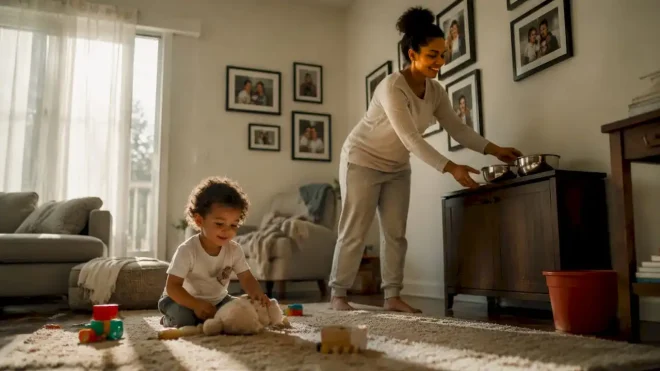
Safe pest control for homes with children and pets means using low-toxicity, precisely applied treatments combined with Integrated Pest Management (IPM) to minimize chemical exposure while keeping pests out. IPM is the industry standard term for this approach: it prioritizes prevention, monitoring, and targeted treatment over broad chemical use. Parents and pet owners who understand these methods make better decisions for their families. This guide covers the safest pest control options, preparation steps, post-treatment care, and special considerations for different animals so you can protect everyone under your roof.
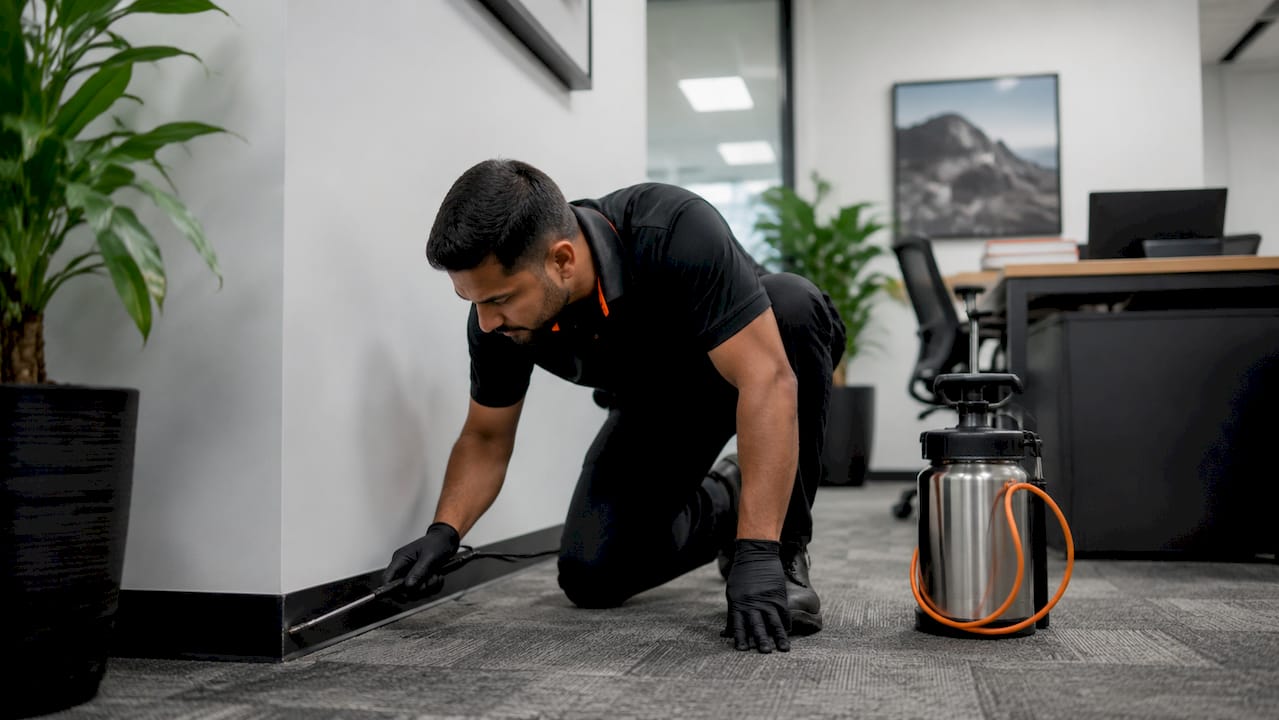
1. What are the safest pest control methods for homes with kids and pets?
The safest child-safe pest control options combine low-toxicity products with nonchemical strategies that reduce how much pesticide enters your living space. No single method works for every situation, but the following approaches consistently deliver results with the lowest exposure risk.
- Low-toxicity chemical treatments. Modern professional products often contain less than 1% active ingredient. That concentration is enough to eliminate pests but poses minimal risk to humans and animals when a licensed applicator uses it correctly.
- Tamper-resistant bait stations. These enclosed stations place pesticide inside a locked housing that children and pets cannot open. They deliver the active ingredient directly to the pest population without exposing open surfaces.
- Spot treatments in cracks and crevices. Applying product only inside wall voids, under appliances, and along baseboards keeps pesticide away from floors and surfaces where kids play and pets rest.
- Mechanical exclusion. Sealing entry points can resolve up to 90% of rodent and ant issues. That means fewer chemical treatments and less exposure risk overall.
- Sanitation and habitat modification. Removing food sources, fixing moisture problems, and clearing clutter eliminates the conditions pests need to survive. This is the foundation of IPM and requires zero chemical use.
- Avoid broadcast sprays and powders. Spraying pesticide across open floors or applying powder in accessible areas creates prolonged contact risk for crawling infants and low-to-the-ground pets. Licensed professionals avoid this practice in living areas.
Pro Tip: Ask your pest control provider specifically whether they use spot treatments or broadcast sprays. The answer tells you a lot about how they prioritize family safety.
2. How to prepare your home and family before treatment
Preparation before a pest control visit is the single most effective way to reduce exposure for your children and animals. The EPA’s 2026 pesticide safety guidelines require removing children, pets, toys, food bowls, and bedding from treatment areas before application and until products have dried. Follow these steps in order.
- Remove or cover pet food and water bowls. Even trace pesticide residue on a bowl can transfer to an animal repeatedly throughout the day.
- Pick up toys, pacifiers, and anything children put in their mouths. Children’s floor-level play and hand-to-mouth behavior increase their exposure risk significantly compared to adults.
- Move pet bedding, crates, and litter boxes out of treatment zones. These items absorb residue and are difficult to clean without removing the protective barrier the product leaves behind.
- Cover or remove fish tanks and bird cages. Fish and birds are especially sensitive to airborne particles and vapors. Seal tank lids with plastic wrap and move cages to an untreated room.
- Plan for everyone to leave during treatment. Children and pets should stay away from treated areas until surfaces are fully dry and re-entry intervals have passed.
- Tell your technician about every animal in the home. Cats, reptiles, and birds each have unique chemical sensitivities. Your technician needs that information before choosing products.
- Request written treatment instructions. Written instructions that detail treatment areas, re-entry times, and cleaning guidelines reduce anxiety and improve safety compliance after the visit.
Pro Tip: Take a photo of your written instructions and save it in your phone. You will want to reference it when deciding when it is safe to let the dog back in or wipe down the kitchen counters.
3. What to do after pest control to protect children and pets
Post-treatment care is where most families make avoidable mistakes. Respecting re-entry intervals and ventilating properly are the two actions that matter most.
- Wait for the correct re-entry interval. Indoor liquid treatments require a re-entry interval of typically 2–4 hours. Exterior perimeter treatments are usually safe after 30–60 minutes. Never guess. Check your written instructions.
- Ventilate treated rooms immediately after re-entry. Opening windows and running fans for 20–30 minutes reduces indoor pesticide vapor levels by up to 80%. That matters most for infants and pets with sensitive respiratory systems.
- Clean high-contact surfaces selectively. Wipe down countertops and dining tables where food is prepared. Avoid scrubbing baseboards, cracks, and crevices where the product needs to remain to work.
- Watch for unusual symptoms in children and pets. Excessive drooling, lethargy, eye irritation, or vomiting after a treatment warrants a call to your pediatrician or veterinarian. These reactions are rare when treatments are applied correctly, but they are worth monitoring.
- Keep up with preventive hygiene. Vacuuming regularly, sealing food in airtight containers, and fixing leaky pipes reduce the pest pressure that makes chemical treatments necessary in the first place.
Pro Tip: Do not mop treated floors for at least a week after service. Mopping removes the residual barrier that keeps pests from returning between visits.
4. Professional pest control vs. DIY for family safety
Licensed professionals deliver safer results than DIY approaches in homes with children and pets. The reason is precision. Licensed applicators apply products in cracks, crevices, and pest habitats, avoiding broadcast spraying over open surfaces where children and pets spend time. That targeted approach keeps exposure low and effectiveness high.
DIY products carry a different risk profile. Over-the-counter sprays often contain the same active ingredients as professional products, but homeowners frequently over-apply them. More product does not mean better results. It means more residue on surfaces your child touches and your pet walks across.
Natural DIY options are not automatically safe. Many essential oils marketed as pet-friendly pest repellents are actually harmful to animals. Cats are particularly sensitive to tea tree and eucalyptus oils, two of the most commonly marketed “natural” pest control ingredients. Diatomaceous earth is another popular DIY choice. It works mechanically by damaging insect exoskeletons, but fine-particle inhalation poses a respiratory risk for both pets and young children if applied carelessly.
The table below compares the two approaches across the factors that matter most for family safety.
| Factor | Professional treatment | DIY treatment |
|---|---|---|
| Product concentration | Under 1% active ingredient, calibrated | Variable, often over-applied |
| Application precision | Targeted to cracks and pest habitats | Frequently broadcast over open surfaces |
| Safety documentation | Written re-entry and cleaning instructions | Rarely provided |
| Natural product risks | Screened for pet and child compatibility | Often unknown to the homeowner |
| IPM integration | Standard practice | Rarely implemented |
5. Special considerations for different pets
Different animals react to pest control products in very different ways. Knowing your pet’s specific sensitivities helps you communicate clearly with your technician and take the right precautions.
- Cats. Cats groom themselves constantly, which means any residue on their fur goes directly into their mouths. They are also highly sensitive to pyrethroid-based products, a common class of insecticide. Always confirm with your technician that any product used indoors is labeled safe for cats.
- Birds. Birds have extremely sensitive respiratory systems. Even low concentrations of airborne pesticide can cause serious harm. Move bird cages to a room that will not be treated, seal the door, and keep birds out of treated areas for at least 24 hours after service.
- Fish. Pesticide particles can drift into open fish tanks and contaminate water quickly. Cover tank lids with plastic wrap and turn off air pumps before treatment begins to prevent drawing airborne particles into the water.
- Reptiles and amphibians. Reptiles and amphibians absorb chemicals through their permeable skin far more readily than mammals do. Remove them from the home entirely during treatment and keep them out until all surfaces are fully dry and ventilated.
- Dogs. Dogs are generally less chemically sensitive than cats, but they spend significant time on floors where residue settles. Keep dogs out of treated areas during the re-entry interval and wipe their paws before they lick them after returning home.
Telling your technician the species, size, and location of every animal in your home before treatment begins is not optional. It is the step that allows them to select the right products and application method for your specific situation. You can learn more about eco-friendly pest control options that account for these sensitivities.
Key takeaways
Safe pest control for homes with children and pets requires low-toxicity products, targeted application, proper preparation, and strict adherence to re-entry intervals to protect every vulnerable member of your household.
| Point | Details |
|---|---|
| Use targeted application | Spot treatments in cracks and crevices keep pesticide off surfaces where kids and pets have contact. |
| Prepare before every visit | Remove food bowls, toys, bedding, and animals from treatment areas before the technician arrives. |
| Respect re-entry intervals | Wait 2–4 hours for indoor treatments and 30–60 minutes for exterior perimeter sprays before re-entry. |
| Ventilate immediately | Opening windows and running fans for 20–30 minutes cuts indoor vapor levels significantly. |
| Choose professionals over DIY | Licensed applicators use calibrated concentrations and written safety instructions that DIY products do not provide. |
What we have learned from years of treating family homes
Pest control in homes with kids and pets is not just a technical challenge. It is a trust challenge. Families hand us access to the spaces where their children sleep and their animals roam, and that responsibility shapes every decision we make at Arsenal Pest Control.
The most common mistake we see is families treating pest control as a one-time fix rather than an ongoing prevention program. A single treatment handles the current infestation. Prevention, sanitation, and exclusion are what keep it from coming back. We always recommend combining chemical treatment with structural repairs, like sealing gaps around utility lines and window trim, because that combination reduces the need for future chemical applications.
We also push back on the idea that “natural” automatically means “safe.” We have seen pet owners use essential oil sprays that harmed their cats while doing nothing to the ants. The label matters more than the marketing. When in doubt, call your veterinarian before using any product around your animals, and call us before using any product around your home. We would rather answer a question than treat a problem that a phone call could have prevented.
Record-keeping matters more than most families realize. Keep a log of every treatment: the date, the products used, the areas treated, and the re-entry time. That record helps your pediatrician or vet if a concern ever comes up, and it helps us plan your next service more precisely.
— Arsenal Pest Control
Protecting your family starts with the right pest control partner
Arsenal Pest Control serves Queen Creek, Gilbert, Chandler, Mesa, San Tan Valley, Apache Junction, Florence, and surrounding Arizona communities with family-safe pest control services built around low-toxicity products and targeted application methods. Every treatment comes with written re-entry and cleaning instructions so you always know exactly when it is safe to bring your children and pets back inside.

Our licensed technicians specialize in residential pest management for homes with children and animals. We use IPM principles on every job, which means we look for structural fixes and sanitation improvements alongside chemical treatment. No long-term contracts, no guesswork, and no surprises. Visit our services page to schedule a visit or ask about our treatment options for your specific pest problem.
FAQ
How long should kids and pets stay out after pest control?
Indoor liquid treatments require a re-entry interval of typically 2–4 hours, while exterior perimeter treatments are usually safe after 30–60 minutes. Always follow the written instructions your technician provides, since re-entry times vary by product.
Are professional pest control products safe for pets?
Most professional pest control products contain less than 1% active ingredient and are formulated to minimize risk when applied by a licensed technician. The key is targeted application and proper re-entry intervals, not the product alone.
What natural pest control options are safe around kids and pets?
Mechanical exclusion, sanitation, and tamper-resistant bait stations are the safest nonchemical options. Many essential oils marketed as natural repellents are toxic to cats and should be avoided without veterinary guidance.
How do I protect my fish tank during pest control?
Cover the tank lid with plastic wrap and turn off the air pump before treatment begins to prevent airborne pesticide particles from entering the water. Keep the cover in place until the treated room has been fully ventilated.
Should I tell my pest control technician about all my pets?
Yes, and you should name the species, not just say “I have pets.” Cats, birds, reptiles, and fish each have different chemical sensitivities, and your technician needs that information to select the right products and application method for your home.
Recommended
- Why DIY Pest Control Fails: What Homeowners Must Know – Arsenal Pest Control
- Seasonal Pest Control for Commercial Property: 2026 Guide – Arsenal Pest Control
- One-Time Pest Treatment: What Homeowners Need to Know – Arsenal Pest Control
- Top 4 Eco-Friendly Pest Control Providers 2026 – Arsenal Pest Control
