


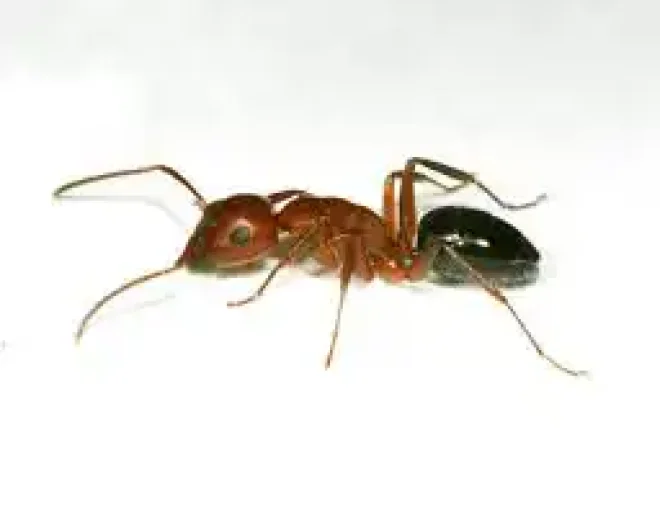
Ants thrive in hot environments. In a desert climate like Queen Creek, AZ, ants become persistent invaders. Homeowners often notice increased activity during the warmer months.

Why Ants Are Drawn to Homes in a Desert Climate
Ants constantly search for survival resources. In a desert climate, those resources are limited outdoors. As a result, homes become attractive shelters.
Water plays a major role. Even small moisture sources can attract colonies quickly. Leaky pipes or damp soil near foundations create ideal conditions. Therefore, migrate indoors to seek hydration.
Food availability also matters. Crumbs, spills, and uncovered trash invite activity. Sweet foods tend to attract certain species faster. However, protein sources can also draw them inside.
Temperature influences behavior as well. During extreme heat, ants seek cooler environments. Your home provides consistent comfort compared to outdoor conditions. Consequently, infestations often increase during the summer months.
Common Triggers That Attract Ants Indoors
Ants follow scent trails to reliable sources. Once one finds food, others quickly follow. This creates visible lines across floors or walls.
Pet food left out overnight becomes an easy target. Additionally, pantry items stored improperly attract attention. Even sealed packaging can be penetrated.
Outdoor landscaping can contribute too. Overwatered plants create damp zones near your home. These areas act as entry points for colonies.
Cracks in foundations or gaps around windows allow easy access. Ants exploit even the smallest openings. Therefore, structural vulnerabilities increase risk.
How Desert Conditions Make Infestations Worse
The desert climate intensifies ant behavior. Limited natural resources push them closer to human environments.
Rainfall patterns also play a role. After monsoon storms in Queen Creek, ant activity often spikes. Colonies relocate due to flooding or soil disruption. As a result, homes become temporary refuges.
Dry soil encourages nesting near irrigation systems. Drip lines and sprinkler zones provide consistent moisture. These areas attract ants long before they enter your home.
Additionally, heat accelerates reproduction cycles. Colonies grow faster in warm conditions. This leads to larger infestations in shorter periods.
Signs You May Have an Ant Problem
Ants rarely travel alone. Seeing a few usually means many more are nearby. Early detection helps reduce damage.
You may notice trails along baseboards or countertops. Small piles of dirt near walls can indicate nesting. In some cases, some appear near sinks or bathrooms.
Outdoor signs include mounds near foundations. Increased activity around plants may also signal a problem. Therefore, monitoring both indoor and outdoor areas is important.
Pest Prevention Tips for Desert Homes
Prevention remains the most effective strategy. Small changes can significantly reduce the likelihood of infestations.
First, eliminate moisture sources whenever possible. Fix leaks and avoid overwatering landscaping. This reduces the attraction factor.
Next, maintain a clean kitchen environment. Wipe surfaces regularly and store food properly. Trash should be sealed tightly and removed often.
Seal entry points around your home. Use caulk to close gaps and cracks. Weather stripping also helps block access.
Additionally, trim vegetation away from your home. Plants touching walls create bridges for ants. Keeping distance reduces easy entry routes.
Routine inspections are equally important. Check areas prone to moisture or food buildup. Early action prevents larger issues later.
When Pest Control Becomes Necessary
Sometimes prevention alone is not enough. Large infestations require professional pest control solutions.
DIY treatments may offer temporary relief. However, they often fail to eliminate entire colonies. This allows them to return quickly.
Professional services target the root of the problem. Treatments are designed to eliminate colonies at their source. As a result, long-term control becomes possible.
In Queen Creek and surrounding cities, local expertise matters. Desert conditions require specialized knowledge. Arsenal Exterminating Pest Control Services understands these challenges.
Their team identifies entry points and nesting areas. Customized treatments are then applied for effective results. This approach ensures lasting protection.
Seasonal Ant Activity in Queen Creek, AZ
Ant activity varies throughout the year. However, desert climates create longer active seasons.
Spring marks the beginning of increased movement. Colonies expand as temperatures rise. During this time, early prevention is critical.
Summer brings peak activity. Extreme heat drives ants indoors more frequently. Consequently, infestations become more noticeable.
Fall remains active due to lingering warmth. Ants continue searching for food and water. Winter slows activity but does not eliminate it.
Therefore, year-round pest prevention is essential in Arizona.
Protecting Your Home from Ants Long-Term
Long-term success requires consistency. Preventative habits must be maintained over time.
Regular cleaning reduces attractants. Proper landscaping minimizes moisture buildup. Structural maintenance blocks entry points.
Partnering with a pest control professional adds another layer of protection. Scheduled treatments help keep populations under control. This proactive approach saves time and stress.
Arsenal Exterminating Pest Control Services provides reliable solutions for desert homes. Their experience in Queen Creek ensures effective strategies tailored to local conditions.
